Accuracy in Motion: The Lifeblood of Contemporary Aviation
The successful operation of all aircraft relies heavily on a
critical component: the aircraft propellers. These rotating blades serve not
only as mechanisms for generating thrust but also as fundamental elements of
flight mechanics. Regardless of the power of the engines, takeoff is impossible
without the presence of these propellers. They convert engine power into
forward motion, ensuring balance, stability, and overall performance. The
design, shape, and materials used in the construction of these blades directly
influence an aircraft's efficiency in traversing the air. Crafted to
perfection, propellers combine aerodynamics with strength, enabling them to
withstand high-stress loads and diverse weather conditions.
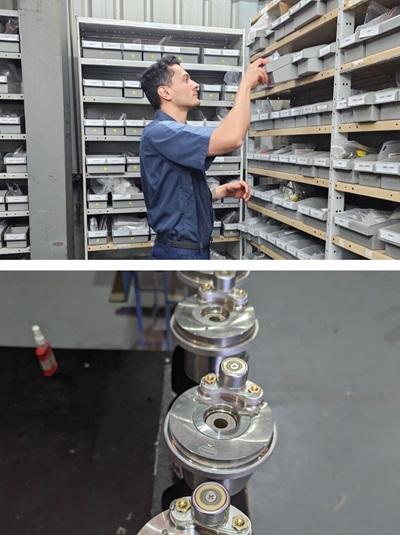
Artisanship that Determines Performance
Behind each seamless takeoff
and precise landing lies an intricate and refined process. Propeller components
are not produced haphazardly; rather, they are meticulously measured, tested,
and weighed according to rigorous standards. Factors such as weight distribution,
pitch, and surface finish are essential elements that impact overall
performance and efficiency. Contemporary materials, including composite alloys
and carbon fiber, contribute to the longevity and lightweight nature of
PROPELLERS PARTS. Aviation engineers and technicians dedicate countless hours to the
refinement of these components, creating a harmonious blend of scientific
principles and artisanal skill. This level of craftsmanship enables pilots to
rely on their propellers even under challenging weather conditions, thus
ensuring reliable, safe, and smooth travel.
The Importance of Maintenance
Just as a healthy heart
requires regular care, the propellers of an aircraft necessitate ongoing
inspections and maintenance to ensure their dependability. Routine examinations
help identify wear, cracks, or imbalances before they escalate into significant
issues. Through appropriate cleaning, lubrication, and balancing, vibration is minimised,
and fuel efficiency is optimised. Maintenance protocols vary according to
flight hours and environmental exposure; however, neglecting these procedures
can notably affect performance and safety. Numerous aviation specialists emphasise
that even a minor nick or dent can alter airflow and thrust characteristics.
When properly maintained, these critical components can function effectively
over the years, contributing to the safety and success of each flight.
Role: Advanced Engineering
This is where technology has
changed the way propellers are designed and manufactured. These propellers are
created the use of modern-day substances and engineering knowledge that leads
them to be strong and fuel-inexperienced. This is why they are a well-known
desire among aviation professionals everywhere internationally. It also pledges
increased performance at low drag and noise levels. 3D modelling, digital
balancing and advanced testing chambers have increased the level of safety and
accuracy. The current engineering practices have made propellers fly higher and
in more challenging environments, which is an indication of how much the
aviation sector has evolved. Such developments have also enabled the propellers
today to be more efficient, quiet, and environmentally friendly.
The Significance of Quality Propeller Parts
All blades, bolts and hubs of a propeller system have to be in
harmony. The propeller parts are essential and have a significant impact on the
performance, even the smallest ones. Good materials are also corrosion-resistant
and minimise vibration, as well as the life of the entire assembly. The
replacement of worn-out or low-grade parts can radically enhance fuel economy
and the consistency of the speed of the aircraft. Consistent parts also
minimise the chances of mechanical breakdown, which is crucial to the safety of
flights. Be it on personal planes, on-training flights, or even commercial
jets, the move to invest in reliable components is a prudent and secure
decision for all who run aircraft in terms of quality in performance and
dependability.
Striking a Balance between Power and Precision
A balanced propeller significantly enhances stability and smooth
performance, as any minor imbalance can result in vibrations, increased noise
levels, or undue strain on the engine. Technicians meticulously measure and
adjust each blade to achieve a balance of precision that is crucial for optimal
functionality. This process extends beyond mere comfort, as it directly impacts
engine longevity and fuel efficiency. Proper balancing alleviates the strain on
mounting systems and diminishes the likelihood of premature wear. Prioritising
balance is essential, whether the propeller is undergoing repair or
replacement. This is a sensitive procedure, demonstrating that even slight
modifications can have profound effects on overall performance and efficiency
in aviation
Propeller Innovation in the Future
The propeller industry is
evolving in tandem with advancements in aviation technology. Future designs aim
to promote sustainability, enhance fuel efficiency, and reduce noise pollution.
Aircraft operating on electric and hybrid systems are being equipped with
specially engineered blades that facilitate improved power delivery and reduced
emissions. Researchers are exploring adaptive propellers that can automatically
adjust pitch in response to varying air pressure and altitude. Furthermore,
next-generation aircraft systems are incorporating lightweight carbon
composites and sophisticated sensors. These developments are not merely
theoretical concepts but are real innovations poised to define the future of
aviation, resulting in better performance while prioritising environmental
considerations.
Conclusion
The fundamental purpose of propellers is to facilitate flight, and
they have enabled aircraft to traverse extensive distances across airspace.
Their performance hinges on a delicate balance of precision engineering,
high-quality components, and rigorous maintenance. It is expected that
propeller technology will continue to advance, becoming increasingly efficient,
quieter, and less detrimental to the environment. All forms of aviation,
whether recreational, commercial, or training, rely on these dynamic blades to
achieve optimal flight performance. To ensure the highest operational standards
for your aircraft, it is advisable to engage the services of qualified
professionals who possess comprehensive knowledge of propeller maintenance and
performance. For assurance regarding quality products and expert services,
please visit eastcoastpropellers.com.au, where aviation excellence is pursued
with dedication and expertise.

Comments
Post a Comment