A Complete Guide to Aircraft Propellers and Essential Propeller Parts
Aircraft propellers play a crucial role in aviation by converting engine power into thrust, which propels the plane forward. These blades are specially designed to create differences in air pressure, allowing planes to gain lift and remain airborne. By understanding how aircraft propellers work, pilots and engineers can ensure each flight is as efficient as possible.
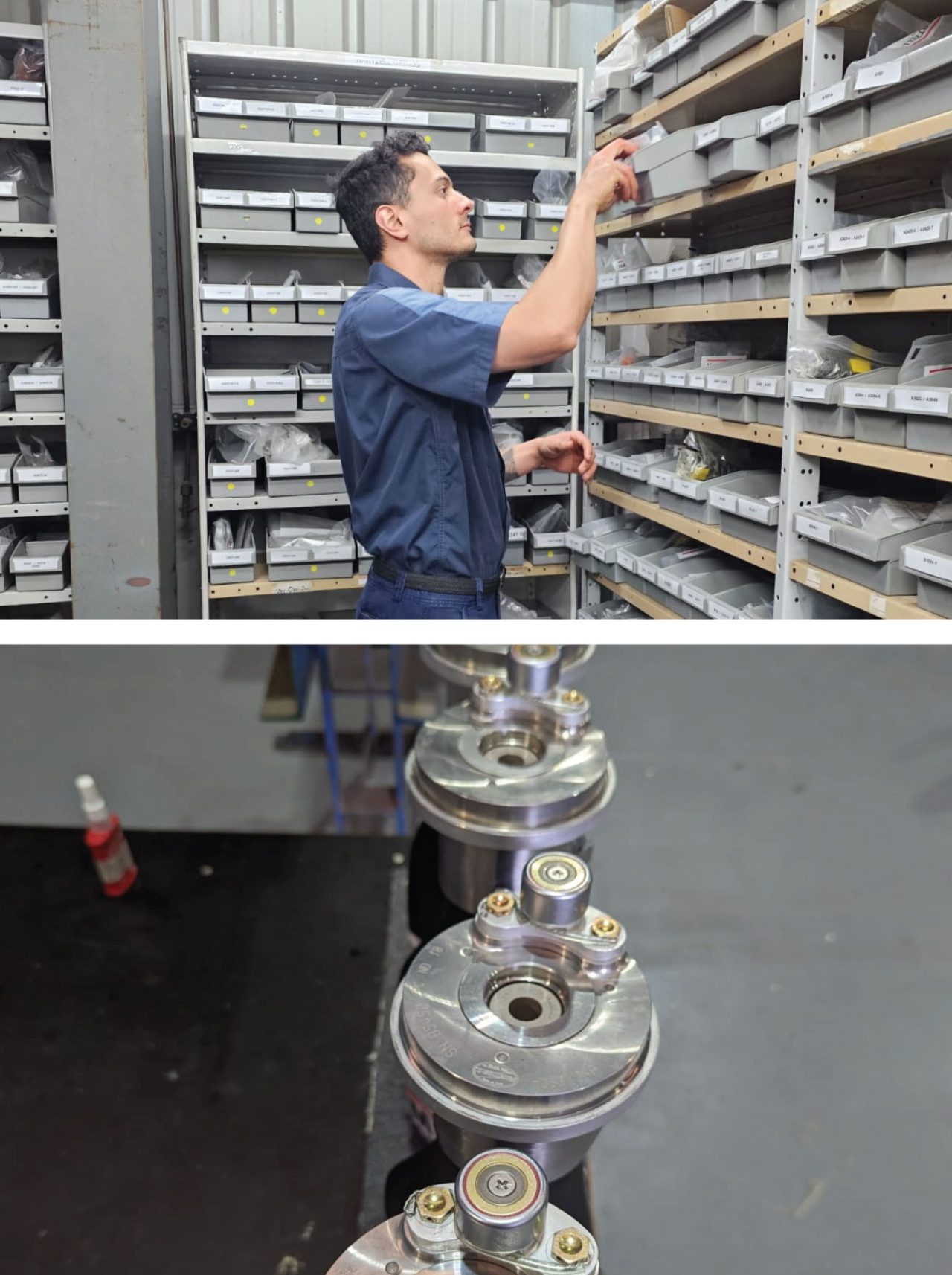
How Aircraft Propellers Work in Different Flight Conditions
The performance of an aircraft propeller varies depending on the aircraft's speed, altitude, and weather conditions. At slower speeds, propellers push more air backwards, generating additional thrust. Modern designs enable propellers to function effectively at high altitudes, where the air is less dense. Propellers are essential for both small planes and large commercial jets, as they can be adapted for various applications.
Types of Aircraft Propellers and Their Applications
There are several types of aircraft propellers, including fixed-pitch, constant-speed, and variable-pitch propellers. Fixed-pitch propellers are simple to operate and are ideal for small personal aircraft. In contrast, constant-speed propellers adjust the angle of their blades to optimise performance. Each type is designed to meet specific flight requirements, ensuring safety and efficiency for different aircraft.
Importance of High-Quality Propeller Parts for Safety
Every component of a propeller is vital for maintaining an aircraft's safety and performance. Key parts include hubs, blades, spinners, and pitch control systems. Regular maintenance and timely repairs of propeller components are essential for smooth operation and reducing the risks associated with flying. Neglecting these elements can lead to performance issues, highlighting the importance of using high-quality materials in aviation systems.
Maintenance Tips for Aircraft Propellers and Components
Proper maintenance of aircraft propellers enhances their longevity and performance. Key issues to check regularly include cracks, rust, and balance problems. Additionally, propeller components such as pitch mechanisms and bearings require regular lubrication and servicing. Adhering to the manufacturer's guidelines ensures optimal functioning of the propeller system, which can lower costs and improve flight safety.
Choosing the Right Propeller Parts for Your Aircraft
Selecting the right propeller parts is crucial for performance and reliability. Aircraft owners should always choose parts that meet industry standards and are compatible with their specific propeller type. High-quality propeller components minimize vibrations, improve engine efficiency, and provide consistent power during flight. Seeking advice from aviation experts can help ensure you make the best choices for long-term operational benefits and enhanced safety.
The Future of Aircraft Propellers and Component Technology
Innovations in aircraft propellers and components are transforming aviation. Advanced composite materials are increasingly replacing traditional metals, offering greater strength, lighter weight, and improved durability. The rise of electric and hybrid aircraft is also influencing propeller technology, with a focus on energy efficiency. These advancements promise to make flights quieter and more environmentally friendly, demonstrating the continuous improvement of propeller technology for safety and performance.
Conclusion
For all types of aircraft, a well-maintained propeller system is vital for safe and efficient flights. Proper upkeep and expert guidance can significantly impact an aircraft's performance, from selecting the right propeller components to understanding how they operate. For high-quality propellers and parts that meet the highest industry standards for durability and precision engineering, visit eastcoastpropellers.com.au
For More Info:-


Comments
Post a Comment