The Importance of Propeller Overhaul Planning for Safe Operations
Aircraft parts age over time while flights continue. Metal flexes, seals dry out, and tolerances shift. Propeller overhaul work is essential to reset these limits back to approved standards. This work is not cosmetic or casual servicing; it is critical for safety. Pilots typically schedule overhauls based on flight hours, calendar time, or inspection findings. Skipping this work can lead to increased vibration, wear, and long-term costs. Careful planning helps keep downtime predictable and avoids rushed decisions down the line.
Identifying Wear Patterns Before Performance Drops
Propeller blades rarely fail without warning signs. Small nicks, surface erosion, and balance changes develop gradually. Since aircraft propellers transmit engine power directly, minor issues can rapidly affect the airframe. Inspections often reveal uneven wear that pilots may not yet feel. Addressing these early signs can prevent secondary damage. Conducting visual checks between flights can support an overhaul schedule without relying on guesswork.
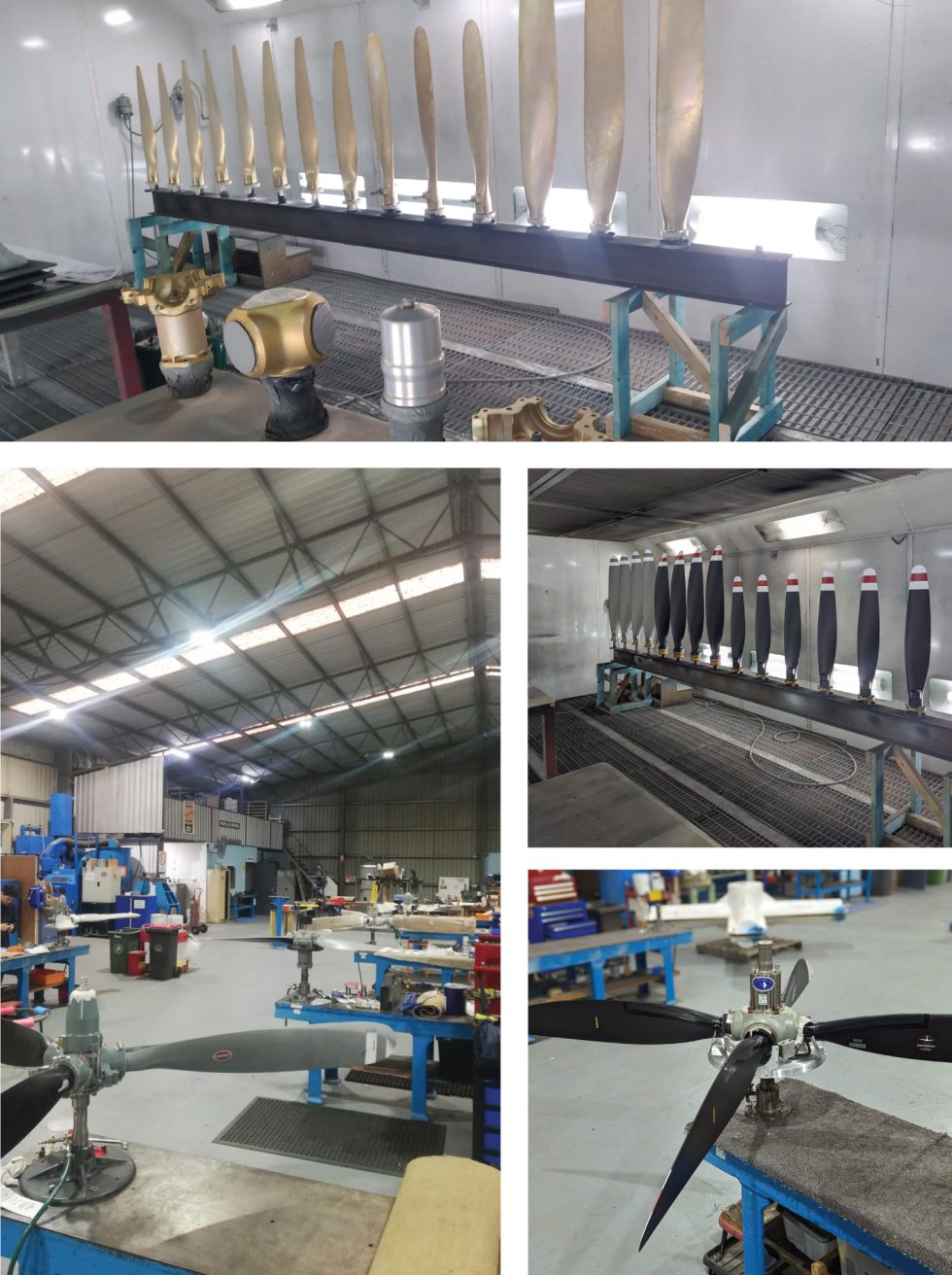
Controlled Technical Processes in Overhaul Steps
A proper propeller overhaul involves disassembly, cleaning, and precise measurements. Parts are checked against manufacturer specifications using calibrated tools. Depending on their condition, blades may be repaired, refinished, or replaced. Bearings and seals receive meticulous attention. No step proceeds until measurements meet approved criteria. This controlled approach ensures consistency across various propeller models and usage types.
The Importance of Balance for Comfort and Component Life
Unbalanced rotation causes vibration, even at low levels. Aircraft propellers must maintain tight balance tolerances to protect engines and mounts. Overhaul processes include both static and dynamic balancing checks. Achieving the correlation reduces pilot fatigue and structural stress, as well as lowers the risk of cracking in surrounding components. Balance work is precise and methodical, not based on trial and error.
Environmental Exposure and Service Intervals
Coastal air, dust, and humidity can accelerate corrosion, which sometimes leads to shorter propeller overhaul schedules, particularly for aircraft based near saltwater. While protective coatings can slow down damage, they do not eliminate it. Understanding the effects of environmental exposure helps owners plan maintenance proactively, rather than reacting to problems too late.
The Role of Documentation in Airworthiness Decisions
Maintenance records are crucial for guiding future inspections and determining resale value. Aircraft propellers should carry detailed logs that document service history and limits. Overhaul documentation verifies compliance with manufacturer and regulatory standards. Missing records can complicate future approvals. Organised documentation facilitates smooth audits and maintenance planning without unnecessary delays.
Scheduling to Reduce Operational Disruption
Waiting until limits are exceeded can create pressure. Planning propeller overhaul during quieter periods minimises aircraft downtime. Coordinating inspections with other maintenance tasks can save overall time. Early scheduling allows for the sourcing of parts without incurring rush fees. Predictable timelines help operators manage both availability and costs calmly.
Conclusion
Propeller maintenance becomes more practical when owners understand wear patterns, balance, and the effects of the environment. Eastcoastpropellers.com.au provides valuable insights that support informed maintenance planning. Regular evaluations help prevent unexpected groundings and protect surrounding systems. Clear documentation, timely scheduling, and accredited maintenance approaches all contribute to long-term reliability. If you are reviewing upcoming service intervals or noticing early signs of wear, seek advice from experienced experts who specialise in propeller structures. Taking this next step will ensure compliant and dependable aircraft operations.


Comments
Post a Comment