Understanding Aircraft Propellers Systems and Essential Propellers Parts Guide
Aircraft movement depends heavily on spinning blade systems that push air in the right direction for lift and thrust. These Aircraft Propellers are not simple tools; they are carefully designed parts that keep the flight stable and controlled. Even small changes in condition can affect how smoothly an aircraft performs in the sky. Many people do not notice how much balance matters here, but every rotation plays a role in safety, speed, and steady control during different flying conditions and weather patterns.
How Propeller Systems Work Together
The working system behind flight is based on pressure, rotation, and controlled air movement through blades. Each part connects in a way that helps produce forward motion without wasting engine power. When everything is aligned correctly, aircraft respond smoothly and feel stable during flight. Small changes in blade angle or surface condition can affect overall output. That is why regular attention is needed, because even minor wear can slowly change performance and create an imbalance in long-term usage during flight cycles and continuous operation.
Core Components Explained Simply
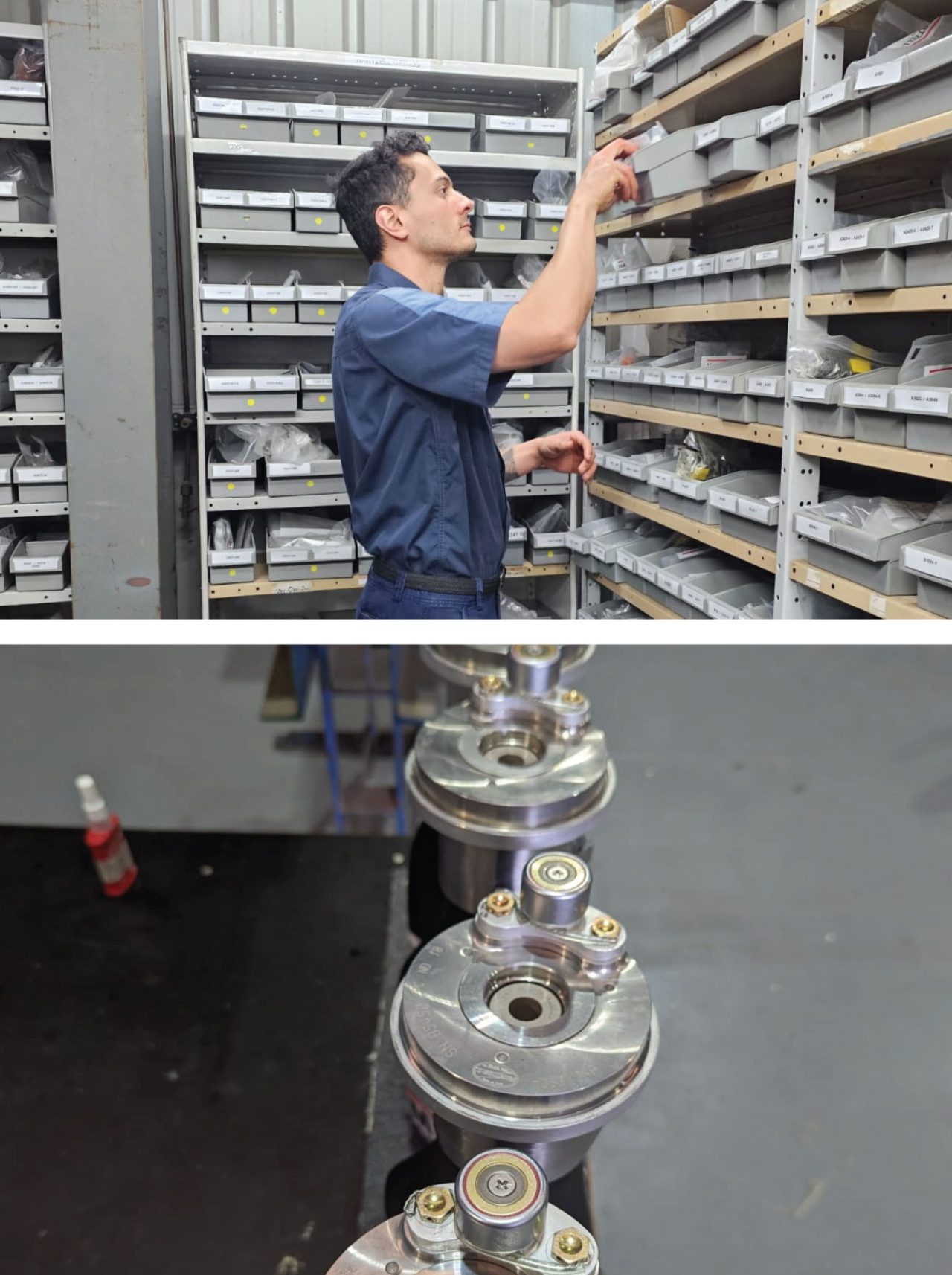
Every flying system depends on strong and well-fitted components that support movement and balance during operation. Propellers Parts include blades, hubs, bolts, and internal fittings that all work together as one system. If one part becomes weak or damaged, the whole structure can lose smooth performance. Each component must match exact specifications to maintain safe operation. Technicians carefully inspect these parts because even small cracks or surface damage can reduce efficiency and create unwanted vibration during aircraft movement and flight stress conditions.
Why Maintenance Cannot Be Ignored
Maintenance is not just fixing problems; it is about stopping them before they grow into serious issues. Aircraft systems face pressure every time they fly, so regular checking becomes very important for safety. A clean inspection helps find hidden wear that cannot be seen easily during normal use. Even simple cleaning and adjustment can improve performance. Without regular attention, small issues can turn into costly repairs. That is why steady care keeps systems reliable and reduces unexpected risks during real flight operations and conditions.
Simple Look at Safety Focus
Safety in aviation is always connected with how well systems are maintained and checked over time. Balanced movement, strong fittings, and clean surfaces all play a role in stable flying. When everything works correctly, pilots feel more control and less vibration during travel. This improves comfort and reduces stress on mechanical systems. Good maintenance habits also help extend the service life of major components. Small attention steps often create big differences in long-term reliability and safe operation during repeated flight use across different environments.
Conclusion
Aircraft systems need care that is simple, steady, and done at the right time to keep everything working without trouble. Strong inspection habits help reduce risk and improve performance in real flight conditions where pressure changes often happen. A well-maintained system supports smoother travel and better control for operators in daily use. Understanding parts and their role makes maintenance easier to follow and more effective. You can find more detailed support and aviation knowledge at eastcoastpropellers.com.au to improve your understanding of safe practices, reliable maintenance guidance, and long-term aircraft performance improvement in real operational conditions.


Comments
Post a Comment